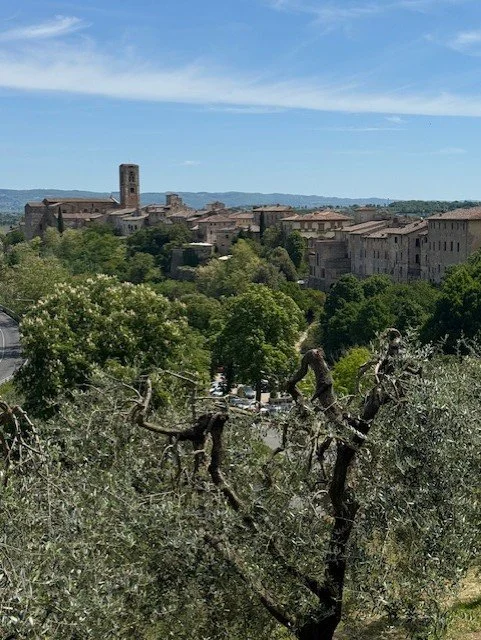
This a view from the street arriving to the town. You should leave your car outside the old town (città vecchia, centro storico) to walk on the medieval alleys.
I have been around lately in several small towns in Toscana. Each town is different, though all very cute to my “Nordic eyes”. I really enjoyed our views, walk, food and time in little beautiful old Colle di Val d’Elsa.
As name is difficult for many, Italians call this place only “Colle”. This is one of those understated small Tuscan gems, which is less crowded than famous San Gimignano, but also full of history, views, and surprisingly beautiful nature. It’s often called the “Città del Cristallo” (City of Crystal) thanks to its glassmaking tradition. This place is a perfect stop between Florence, Chianti wine region and Siena.
Colle Val d'Elsa is a cute medieval town in the province of Siena whose antique origins sit on the top of the hill, presiding over the border separating it from the renowned Chianti territory. The name Colle (meaning hillside), stems from its lofty position on a hill in the valley of the river Elsa.
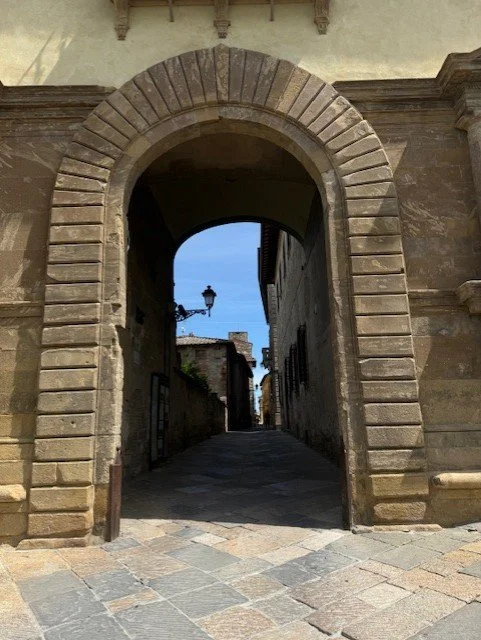
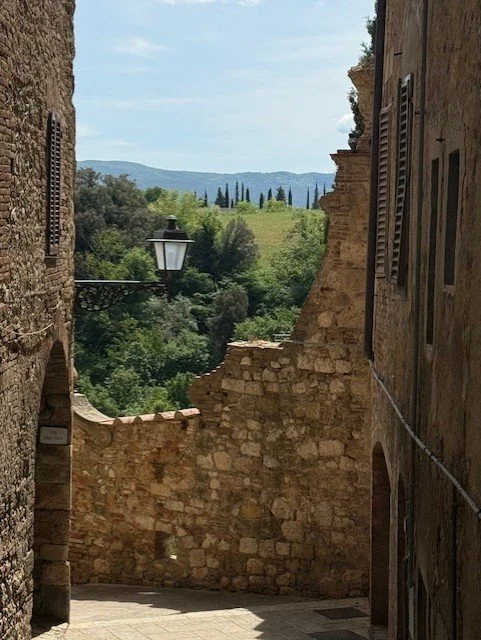
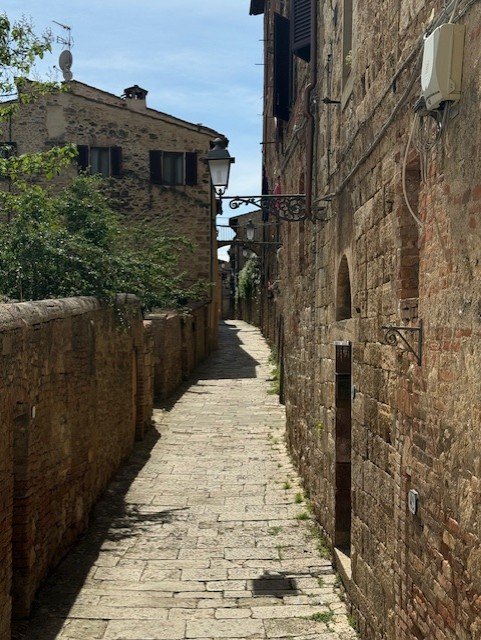
In these old towns you need patience, very comfortable and secure shoes to walk around without hurry.
Arnolfo di Cambio was born in Colle Val d'Elsa around 1240-45
Arnolfo di Cambio, important and innovative architect and sculptor, that together with the great Tuscan painter Cimabue, laid the foundation of the Renaissance revolution. He was very productive and several works are displayed in Florence, as well as in famous international collections.
His most renowned work is certainly the facade of Florence Cathedral, that was dismembered during 16th century.
We don't know much about his life. According to Vasari he was son of an important German architect, Lapo di Cambio, who worked at several projects across Italy.
We certainly know that from 1265 he worked as chief assistant of Nicola Pisano and collaborated to the realization of the beautiful pulpit within Siena Cathedral. About 1276 he moved to Rome, working both as architect and sculptor for King Charles I of Anjou. He was in Rome until 1293.
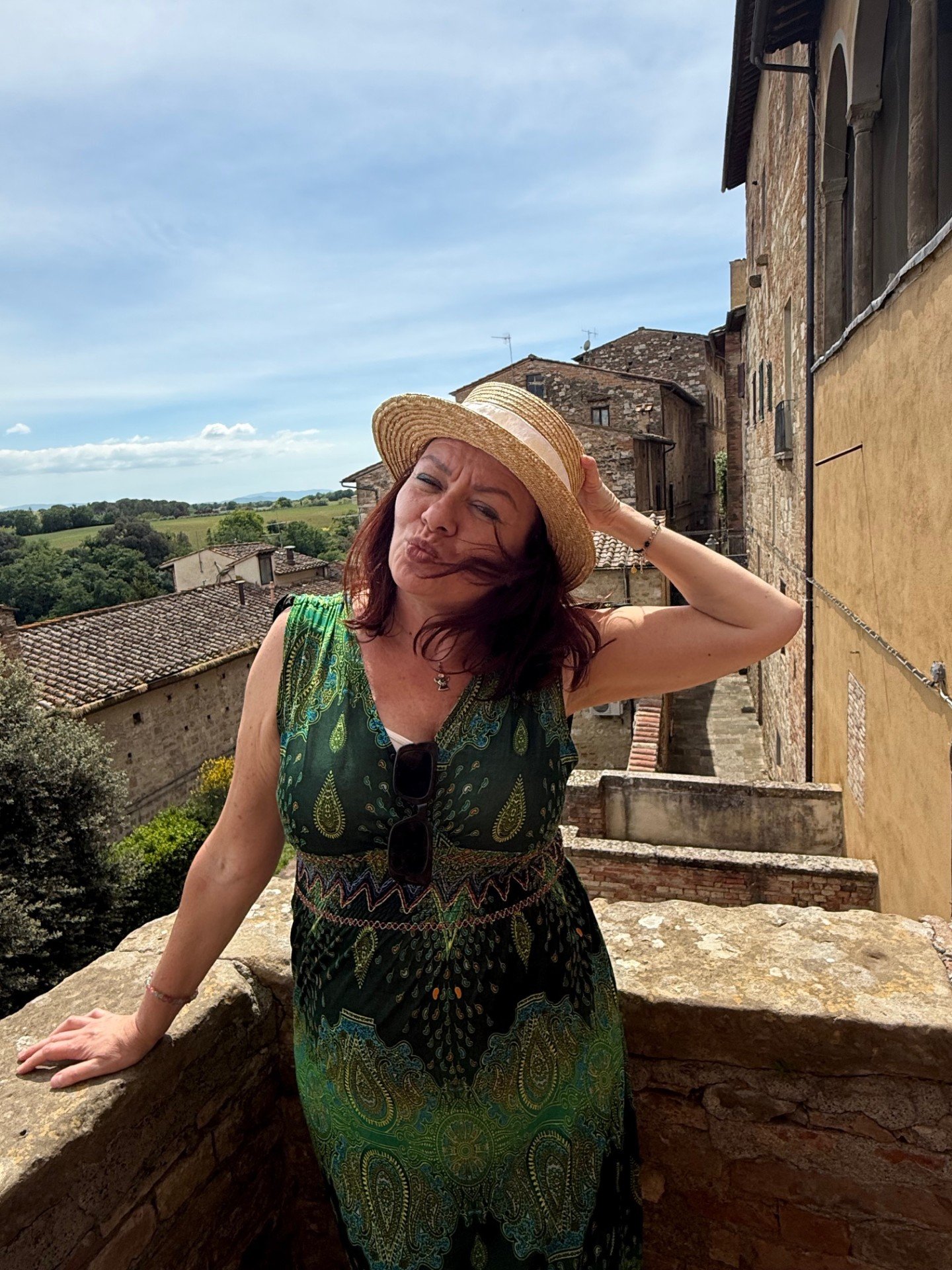
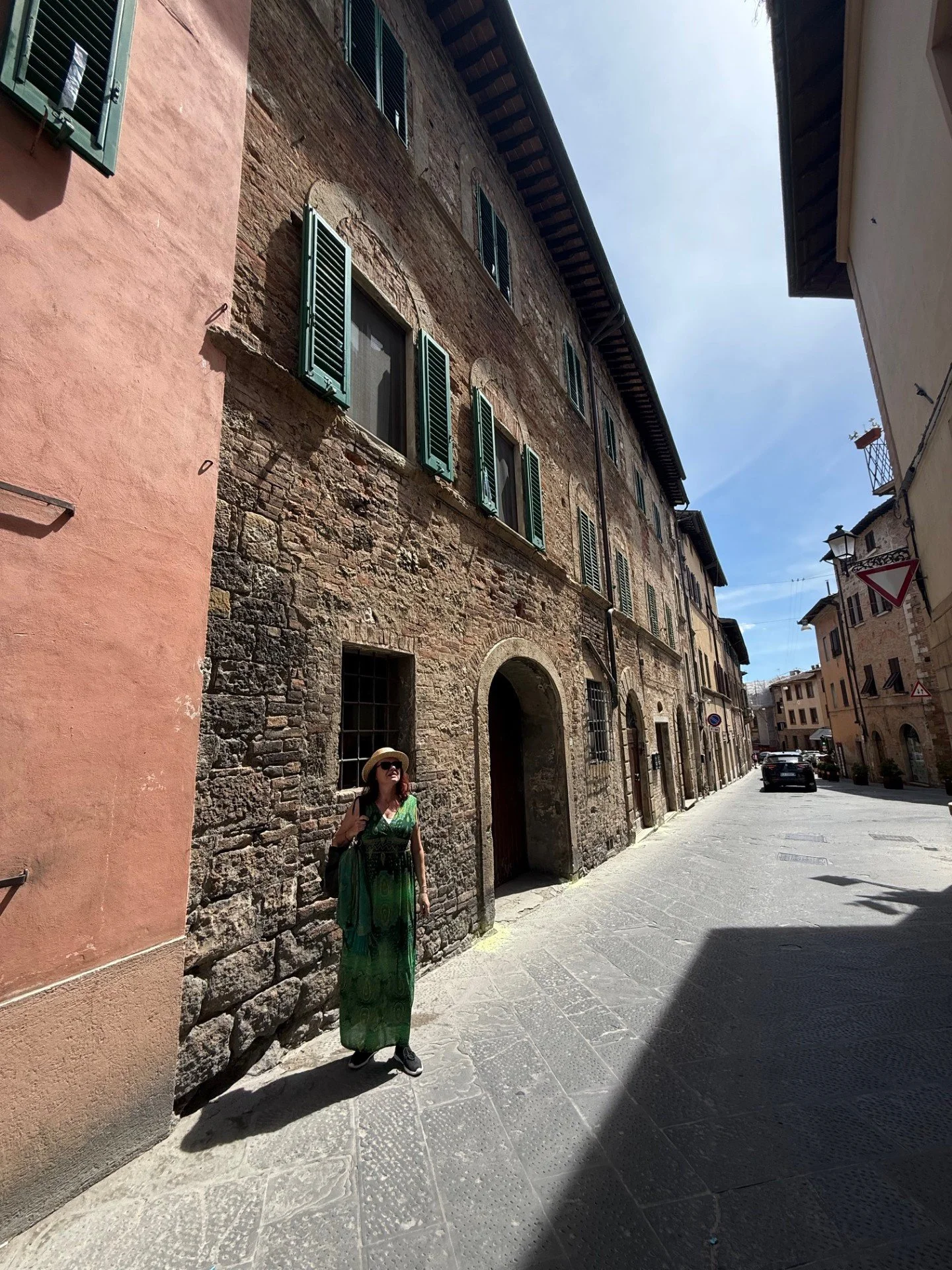
Old town is worth walking around. You might find some secret tunnels too. Wind might surprise you too at some places. In summer and in the hot sun, it is a good idea to protect your head with a hat.
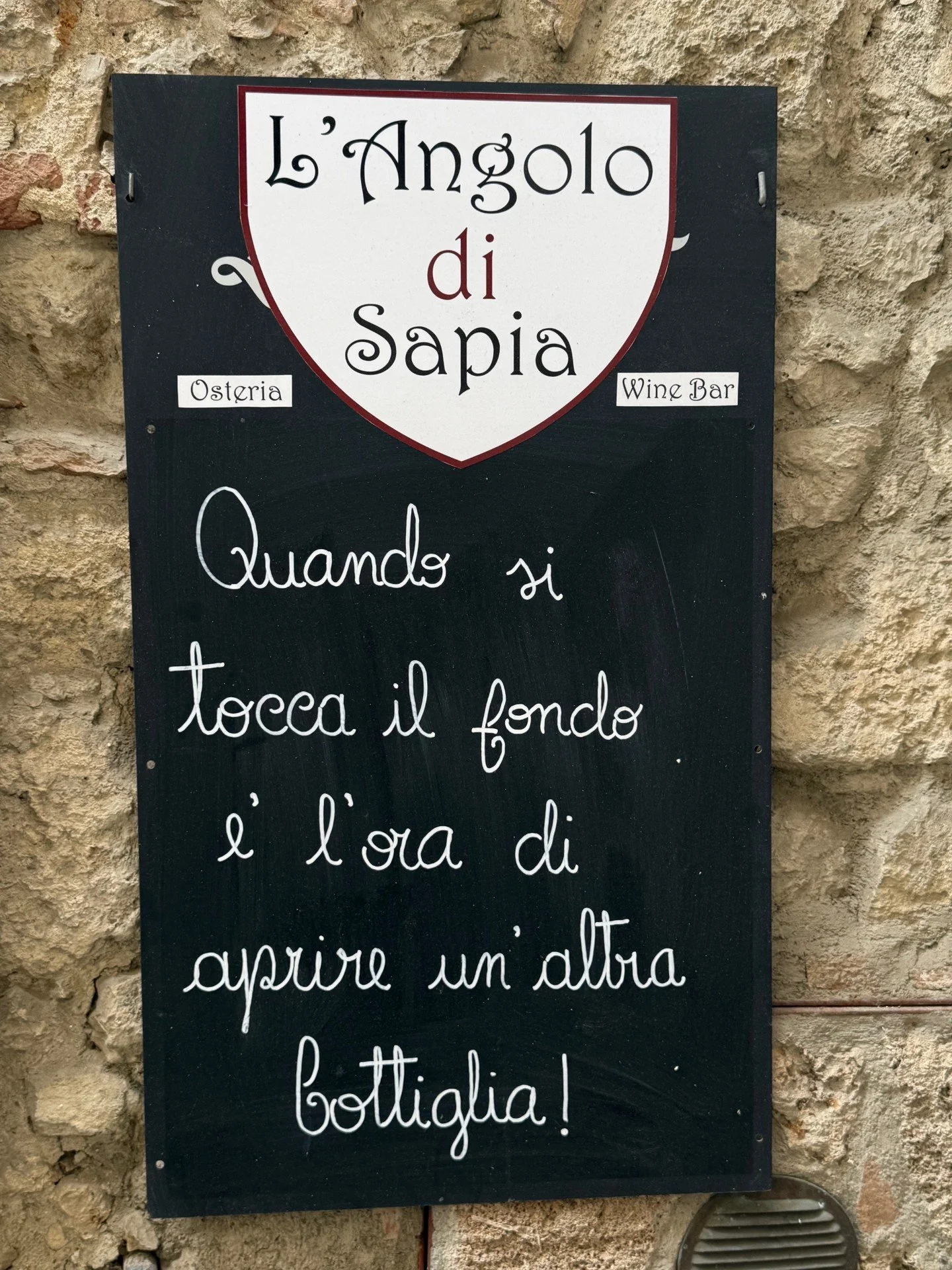
This restaurant L´Angolo di Sapia had lovely outdoor terace with a view. Also food, wine and service was great.
